If you are building a card product for a brand, a campaign, or a retail channel, the right custom playing cards manufacturer should help you avoid problems before the first sheet is printed. A good quote is useful, but it is not enough. Buyers need to know whether the supplier can check artwork, match card stock, control color, produce samples that resemble bulk production, pack the decks safely, and keep repeat orders consistent.
For a simple logo deck, the risk is usually around timing and packaging. For a brand deck, a tarot-inspired collector deck, or a card game with many SKUs, the risk moves into color consistency, paper stock, and whether the deck still feels good in the hand after the final finish is applied.
Start with the Type of Deck You Are Actually Making
Many buyers use “playing cards” as a broad phrase, but factories hear several different jobs inside that phrase. A poker deck, a bridge deck, a PVC waterproof deck, a promotional deck, and a small card game can share similar printing steps, yet the commercial expectations are different.
A hotel gift deck may need a strong tuck box and clean logo placement. A casino-style deck needs a smoother shuffle feel and tighter color control. A party game may need many text cards, clear sorting, and accurate collation. A tarot or oracle deck may need heavier paper, a larger card size, and packaging that feels giftable.
When buyers approach a card-focused OEM supplier such as Dazhuang, it helps to describe the use case before asking for the cheapest unit price. The same artwork can be quoted in different ways depending on paper, finish, box type, and order quantity.
What a Manufacturer Should Confirm Before Quoting
A reliable custom playing cards manufacturer will usually ask for more than the deck quantity. If the supplier quotes only from “54 cards, one box,” the price may look fast but still be incomplete.
The basic quote checklist should include:
- Card size, such as poker size, bridge size, tarot size, or a custom size.
- Number of cards per deck, including instruction cards or blank cards.
- Paper choice, such as black core paper, blue core paper, art paper, or PVC.
- Finish, including matte, gloss, linen texture, varnish, or foil work.
- Box type, such as tuck box, rigid box, magnetic box, or custom packaging.
- Artwork status, including whether files are print-ready or need adjustment.
- Quantity per design and whether there will be multiple designs in one order.
- Packing method, master carton strength, and shipping destination.
This list is not paperwork for its own sake. It prevents a supplier from quoting a deck that looks similar on screen but feels different after production.
Look Beyond Printing Equipment
Printing matters, but a card deck is not just a printed sheet. After printing, the sheets need coating, cutting, corner rounding, sorting, packing, and inspection. For game cards or board game sets, there may also be rulebooks, boxes, inserts, tokens, dice, or other components.
This is where a pure printing company and a card deck manufacturer can differ. A printer may produce attractive sheets, but a manufacturer that handles deck assembly understands the practical parts: whether a box becomes too tight, whether a thick paper choice makes the deck hard to shuffle, whether dark borders reveal cutting variation, and whether a large number of cards increases handwork during collation.
A common mistake I see is choosing a premium paper stock without checking the final deck thickness. A thicker card can feel better for a single sample, but a 120-card game deck may become bulky, expensive to pack, and less comfortable to handle.
Match Supplier Strength to Your Buyer Type
Not every project needs the same supplier profile. A small art deck and a large promotional order have different pressure points.
Brand and Retail Decks
Retail decks need a consistent look across repeat orders. Ask how the factory stores artwork versions, handles reorder color matching, and manages packaging changes. For private label playing cards, the box often matters almost as much as the cards.
Promotional Playing Cards
Corporate gifts and campaign decks usually care about delivery date, logo accuracy, and carton protection. The deck must arrive in good condition, especially if it will be handed out at a trade show or event.
Game Cards and Board Game Sets
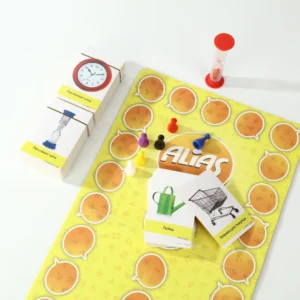
Card game buyers should look for suppliers that understand sorting, rulebook packing, and component matching. If there are multiple decks inside one box, sample approval should include the full packing method, not only the printed cards.
Supplier Evaluation Rule
Use this simple buying rule before selecting a manufacturer:
- Ask for material options with clear differences, not just “standard quality.”
- Request a sample that reflects the intended paper, finish, and box.
- Check whether the supplier reviews bleed, safe zone, color mode, and card order.
- Confirm how bulk production will be inspected before shipment.
- Ask what changes will affect price after the first quote.
If a supplier cannot answer these questions, the risk usually appears later as color drift, wrong card sequence, damaged boxes, or a deck that no longer matches the approved concept.
When a Lower Price Is Not the Better Price
Price matters. It always does. But the cheapest quote may exclude the box upgrade, use a different paper, ignore carton strength, or assume a simpler packing method. For overseas orders, the problem is rarely only the factory price. Shipping volume, carton size, protective packaging, and destination handling can change the landed cost.
For buyers comparing several custom playing cards manufacturers, the useful comparison is not “unit price only.” Compare the full specification, sample policy, packaging method, and shipment terms. A slightly higher production quote can be safer if it reduces rework, protects the packaging, and keeps repeat orders stable.
The best supplier helps your deck survive the whole journey: artwork review, sampling, bulk production, packing, export, and reorder. That is where a card product becomes sellable, not just printed.